Amber Michelle Hill '09 - Founder and CEO - Research Grid
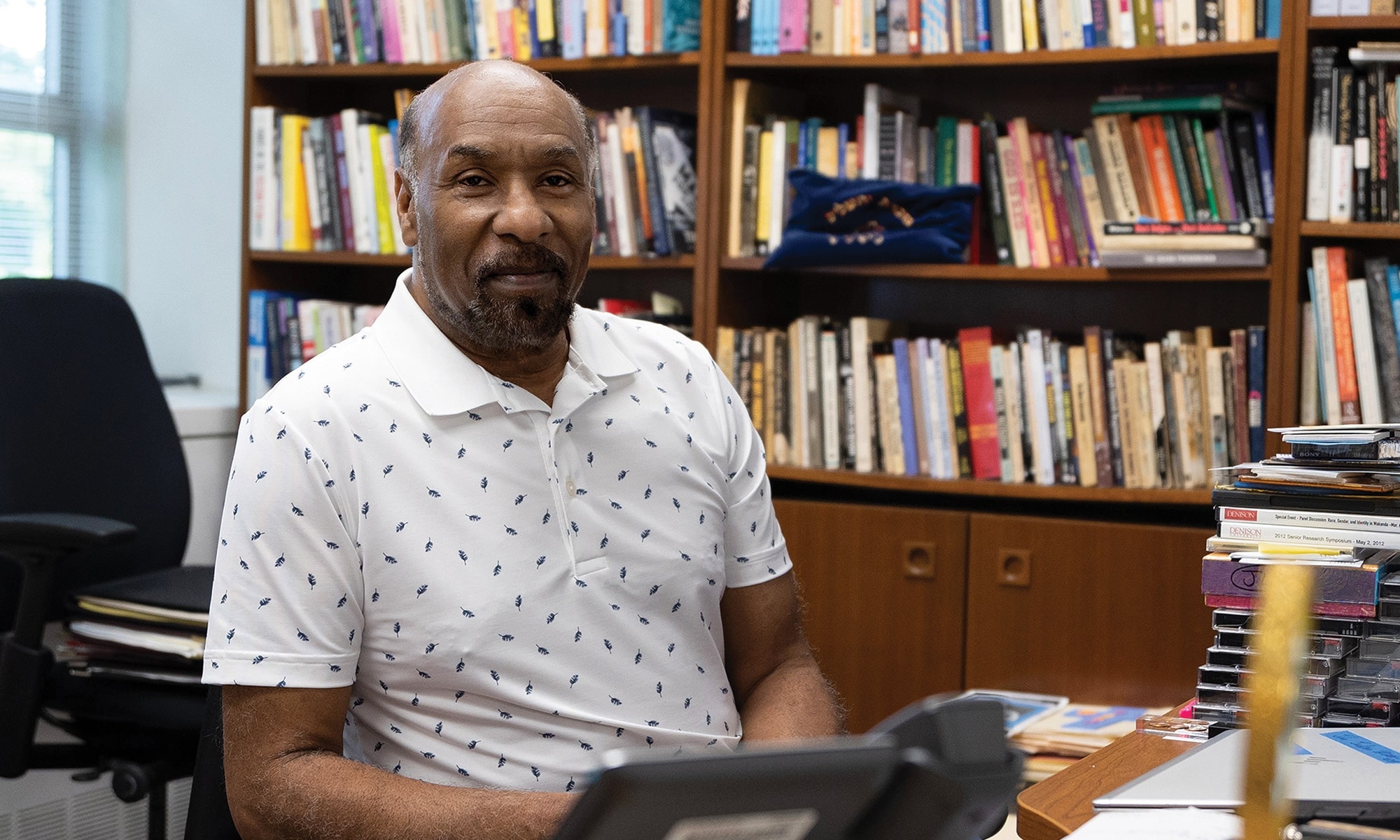
Dr. Amber Michelle Hill '09 is the founder and CEO of Research Grid (R.grid). After more than a decade in medical research, she saw firsthand how manual administrative work slowed clinical trials down and delayed patient access to treatment — the brightest minds in medicine, bogged down by back-office inefficiency. She set out to change that.
In 2020, she founded Research Grid to automate the clinical trial back office, from patient sourcing to trial management. The goal: compress trial timelines from months to weeks, so researchers spend less time on paperwork and more time on the science. Clinical teams use R.grid's tools to coordinate sites, stay on top of regulatory compliance, and keep participants engaged throughout a trial.
Before founding R.grid, Amber spent over 14 years in biomedical neuroscience and clinical research at institutions such as the University College London, Harvard, and MIT where she built neurological deficit-scoring technology. She also founded a global nonprofit supporting patient involvement in research, coordinating programs across the UK, Germany, the United States, China, and Africa.
Amber graduated from Denison in 2009 with a degree in Psychology, a minor in Chemistry, and a concentration in Neuroscience. She went on to earn her PhD in Biomedical Neuroscience from University College London. Her work has been spotlighted in the Lancet Neurology, BBC, The Wall Street Journal, Washington Post, Essence and many other publications. Research Grid was recognized this year in the 2026 TechRound HealthTech 44 which celebrates the fastest growing and most innovative health tech and med tech companies. Amber is the recipient of multiple awards including the Women in Tech 2025 Innovator Award, and recognition as one of 100 Most Influential Women in Engineering by the Financial Times of London.
Martin Jones '86 Receives Denison Citation
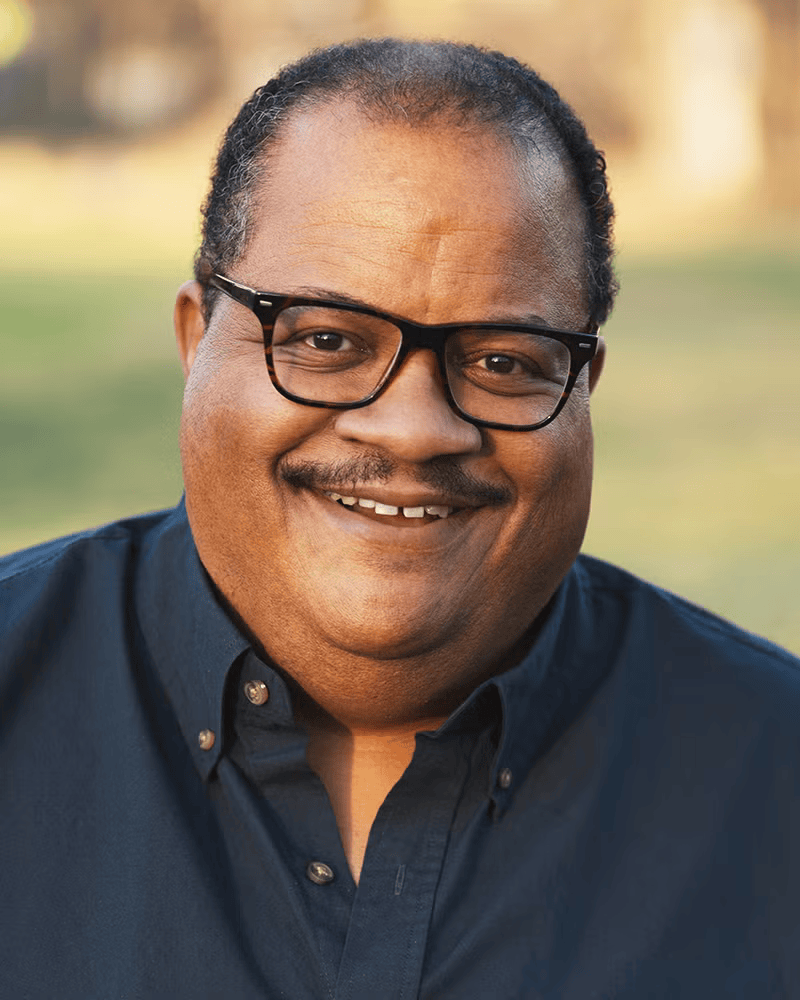
Since 1949, Denison University’s Alumni Citation has recognized the remarkable achievements of graduates who have dramatically shaped their professional industries, communities, and the university for the better. There have been multiple Black alumni honored with the Denison citation and this tradition of excellence continues with Martin Jones '86.
Martin is a two-time Emmy Award-nominated producer and the former head of Austin Studios, a production facility operated by the Austin Film Society, one of the nation’s leading media nonprofits. A creative innovator and founder of Day for Night Entertainment, Jones has produced numerous feature films, music videos, and national commercials for global brands. Before relocating to Texas, Jones was the CEO of MetroEast Community Media, a nonprofit aimed at providing multimedia training, studio time, and equipment access to underserved communities. He has worked in media production, studio management, and film since 1994. Jones generously gives his time to outreach within the film community and beyond as a trustee, juror, and board member, working to reshape storytelling through vision, strategy, and inclusion. He supports Denison as the vice president of the Black Alumni Association and served as chair of Denison’s Annual Fund for several years, encouraging thousands of Denisonians to give back to the university. He is a passionate advocate for Black student success and mentorship.
A Message from the BSU Chief Minister
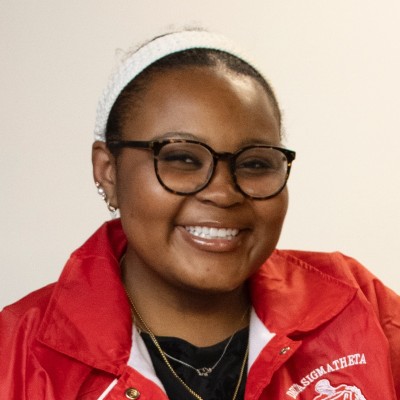
The Black Student Union is an organization, but more than anything it is a home. Since 1969, BSU has empowered Black students and the greater Denison Community through nourishment; whether that be through catered meals or curated education. It has been a necessary voice and force for Black students, faculty, and staff; pushing for change, equity, and justice. Our beloved organization has been a physical and metaphorical shelter, where Blackness is celebrated, authenticity cherished, and individuality embraced.
Due to recent administrative choices, BSU’s space, sign, and general activity have been embattled. While we can understand strategic change, we cannot and will not stray from our organization’s founding purpose, values, and ideals. Now more than ever, action necessitates radical unity, and love. During my term my hope is to unite, educate, and remember. Through intentional and educational programming I hope that BSU is able to unite all Black students across campus, as well as other C3 organizations. Finally, I want us to remember; to live by the principle of Sankofa.
The Adinkra symbol Sankofa of the Akan people means “it is not foolish to go back for that which you have forgotten” or in short “Go back and get it!” I want us to remember our roots and to learn from the past so that we can be intentional in education and the reclamation of our future. I want to keep BSU’s traditions while elevating our impact!
The most important and helpful thing that alumni can do is to connect with us and support us! We need your voices, leverage, and wisdom to be able to accomplish the mission of BSU in its entirety. We value all the guidance, stories, opportunities, and love you all give to us and look forward to further solidifying alumni and student relationships! Three specific and actionable items you can do to stay connected and involved are:
- Advocate for Black students and BSU to Denison administration
- Connect with us on social media or visit us in person!
- Continue to build a strong alumni network!
- Contribute to the BSU emergency/reserve fund
We look forward to a year filled with unity, love, and education.
Best,
Chloe Echols
‘26-’27 Chief Minister of the Black Student Union
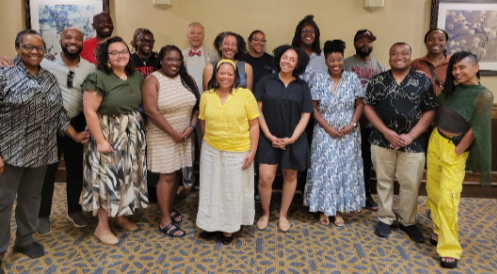
Denison Black Caucus Faculty & Staff Updates
Hello, BAA family. The 2025–2026 academic year brought its share of challenges to campus, but it also gave us a lot to celebrate — and the Black Caucus has some real good news to share.
Dr. Robert Bennett III earned tenure this year and was promoted to Associate Professor, a milestone worth celebrating in its own right. He also published a book: More Than an Athlete: Jim Brown, Black Capitalism and the Black Economic Union, available now through the University Press of Kentucky, Amazon, and other retailers.
Dr. Sydney Green and Dr. Chelsea Bowden both successfully completed their third-year reviews this year — an important step on the road to tenure, and a real vote of confidence in the work they're doing at Denison.
Dr. Diana Mafe, Professor of English, took on a new role this year as director of the Lisska Center for Scholarly Engagement, and she'll continue in that role through the 2026–27 academic year.
And Dr. Richard Brown, Associate Dean of Students and Director of the Center for Belonging and Inclusion, earned his Ph.D. this year, successfully defending his dissertation, "Afrofuturism — It's a Different World: Exploring Tools for Culturally Relevant Black Student Leadership Development, A Mixed Methods Study." Congratulations, Dr. Brown.
The Black Caucus's membership shifts over time as people arrive and move on, but the mission holds steady: supporting students at Denison by supporting the faculty and staff who walk alongside them. We're grateful for every member who shows up for that work.
From the Black Caucus Leadership
Dr. Ayana Hinton, Associate Professor and Chair of the Biology Department
Dr. Ojeya Cruz-Banks, Associate Professor of Dance
Dr. Nicole Ausmer, Senior Associate Vice President of Student Life
Dr. Robert Bennett III, Associate Professor of Health, Exercise and Sport Studies
Makiva McIntosh '02 Joins the Exec Board
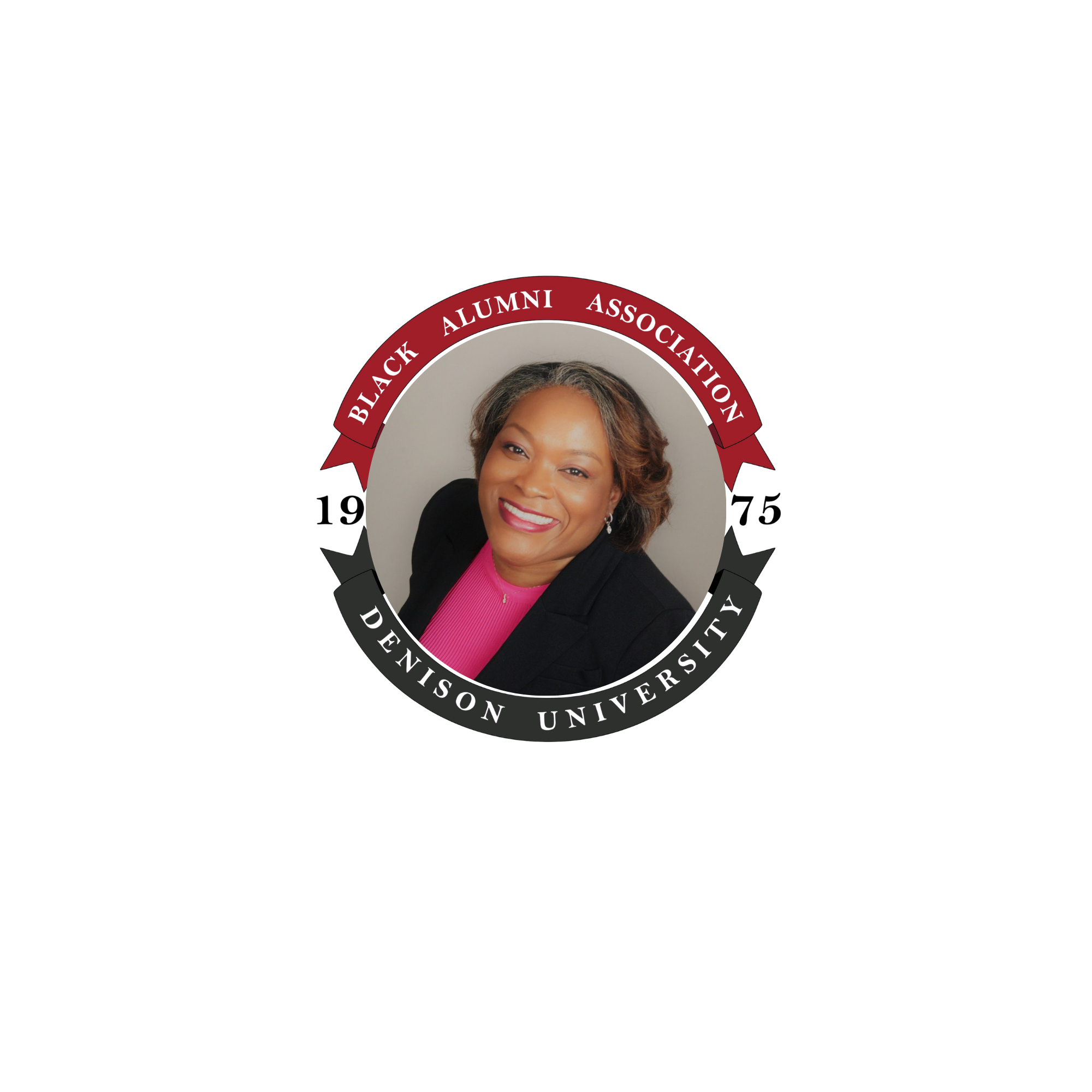
Makiva McIntosh '02 has accepted the call to serve. She has been appointed as Treasurer to serve out the remainder of the term, as provided for in the BAA bylaws. This isn't Makiva's first time at the table. She previously served two terms as BAA Secretary from 2010-2014, so she's stepping into this role already familiar with the work of the association. Makiva brings both financial and fundraising depth to the job. She's currently Chief Advancement & Engagement Officer at YWCA Columbus, and before that spent eight years in Advancement at Denison itself, where she led the Annual Fund and Legacy Giving — growing annual giving from $5 million to over $6.2 million along the way. If you visited campus in the past during her tenure for a reunion or gotten a call about giving back, there's a good chance her fingerprints were on it. Please join us in welcoming Makiva back to the table in this new capacity.

The 2026-2027 Black Student Union Executive Board
The BSU conducted its annual elections at the end of 2nd semester and elected the following student leaders:
- Chief Minister: Chloe Echols
- Vice Chief Minister: Brianna Donigan
- Minister of Affairs: Derek Howe
- Minister of Finance: Maya Anderson
- Minister of Records and Correspondence: Mari Meeks
- Historian: Moses Tanimowo
- DCGA Community Senators: Amber Rogers & Natiq Onafowokan
We look forward to working with the BSU throughout this academic year.,

BAA Capital Collective - The Future of Black Alumni Philanthropy
The BAA is preparing to launch the next generation of alumni giving: the BAA Capital Collective.
The Capital Collective will be the primary way Black alumni contribute to the BAA’s annual operating budget, which is currently approximately $12,000 per year. That budget supports the core work of the Association, including student programs, communications, alumni engagement, financial administration, governance, and other priorities approved by the Executive Board.
The idea is simple: instead of relying mainly on occasional fundraising appeals, alumni will be able to make recurring or one-time contributions into a shared pool of resources. Small and moderate gifts, combined across the membership, can provide the BAA with a more predictable and sustainable financial base.
The Collective will also support strategic priorities beyond the annual budget, including work related to the BAA Endowment, Black student life, organizational infrastructure, and other long-term initiatives.
The Capital Collective is not active yet. Denison currently serves as the BAA’s fiscal sponsor. Before launching the Collective, the BAA must establish a new fiscal-sponsorship infrastructure that provides clearer financial separation, reliable reporting, and full BAA control over how funds are managed and used. Our current fiscal sponsorship arrangement with Denison has served us well for many years, but is not sufficient to the task before us now. The BAA has made an application to the Social Good Fund for fiscal sponsorship, and our application is pending. Once that structure is in place, members will receive more information about contribution options, financial reporting, funding priorities, and the official launch.
The goal is not simply to create another fundraising campaign. It is to build a dependable way for Black alumni to finance the BAA’s work, strengthen its independence, and turn collective support into lasting capacity.
A Song That Still Lingers
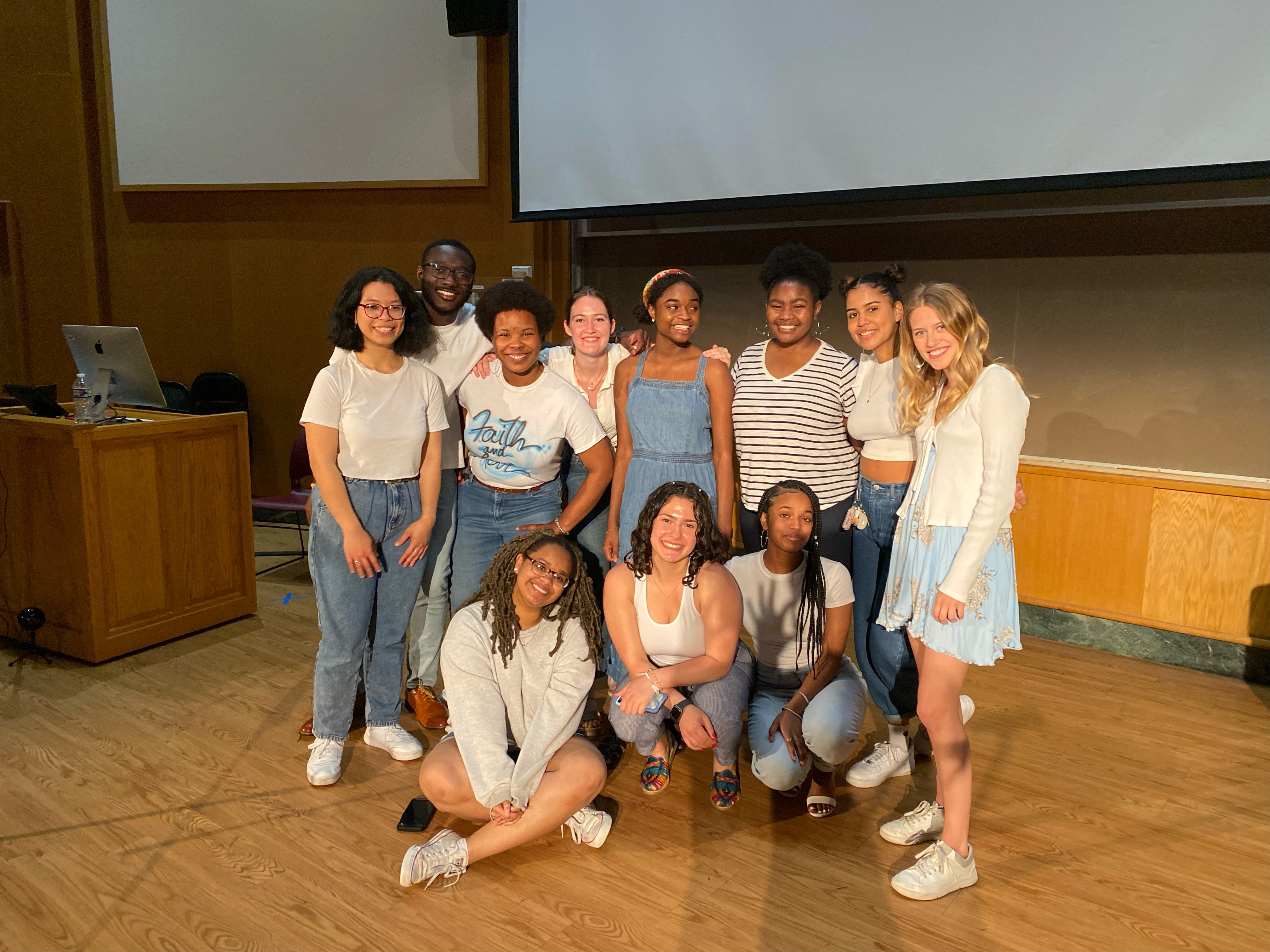
Some gifts arrive with a melody already written into them. Tehillah was a student a cappella gospel group at Denison — voices coming together across dorm rooms and rehearsal halls to sing achingly beautiful gospel in a way that was undeniable: as a shared testimony, built on more than one part. The choir crossed lines the way gospel music always has — Black and white students, holding different notes, making one sound together.
Tehillah is a Hebrew word which means “to sing a hymn of spontaneous praise unto the Lord”. These singers wanted to expose Denison community to a positive and inspirational message through gospel music and spread the gospel through praise and worship. Tehillah's offering was never only sound, either. Over their years together, the group quietly raised money — show by show, a little added here and there — and when the final class of Tehillah singers graduated in May 2023, they made one more decision before the group closed its songbook for the last time: to gift whatever was left toward supporting the BSU and Black student education at Denison.
That decision sat waiting for three years, until one of those graduating singers, Jen Clancey '23, reached out to the BAA to carry it through. She was one of the voices that made Tehillah's harmony what it was, and now is fulfilling that commitment of the graduating seniors of the Tehillah Gospel Choir, leaving a legacy of support for Black students at Denison.
It's a small story, but it's the kind worth telling. A gospel choir doesn't just sing in unison — it sings in harmony, different voices holding their own part so the whole can rise higher than any one of them could alone. Tehillah's final gift works the same way: one voice, years later, still carrying the whole choir's intention forward. Their music is a testimony and thankfully for us, their voices are not lost in time, but captured for all time for us to hear.
Pictured in the photograph:
Trang Thy ‘22
Kwaku Akuffo ‘23
Faith Sutton ‘22
Zora Kitwana Whitfield ‘24
Aniaha Ortiz ‘23
Gitu Degafa ‘23
Zora Kitwana Whitfield ‘24
Sarah Scheuer ‘22
Stefanie Rodrigues ‘22
Gabriela Rodriguez ‘22
Listen to Tehillah →
Disappearing Financial Aid
My youngest nephew graduated from high school this Spring. It was a joyous occasion, but the 6 months prior was anything but as he scrambled to find scholarships which would put his college choices within reach. The experience highlighted the reality and fall-out of the end of DEI. Quite frankly, the whole college funding game has completely changed for minority students. Since the Supreme Court killed affirmative action, a massive wave of colleges panicked and started quietly axing diversity scholarships too—even though the court's ruling didn't actually mention financial aid. Here’s a brief look at the changes:
The Shrinking pool of DEI based Awards
Colleges are changing their rules to avoid getting sued by conservative legal groups. The numbers show just how fast the door is closing:
The Drop: The National Scholarship Providers Association found that the share of scholarships looking at race or gender dropped from 15% down to just 11% in mid-2024.
The Pivot: Big-name public flagship schools have already wiped out or altered at least $60 million in race-conscious aid.
The Rebrand: Instead of targeting specific minority groups, schools are flipping these funds into strictly "need-based" or "first-generation" cash. For example, the University of Iowa completely shifted its $9.4 million Advantage Iowa Award away from underrepresented racial groups. Even private donors are changing their criteria. The Gates Foundation officially dropped all racial and ethnic eligibility requirements from its signature scholarship program and, instead, opened the fund to all Pell Grant-eligible students regardless of race.
The Takeaway
Where you apply matters more than ever. Each of my nephew’s top choices eliminated DEI and race-based scholarships. However, a 2024 survey of 50 universities showed 13 completely changed or cut their race-conscious scholarships, while 22 decided to keep them. For example, the University of Alabama ended its National Recognition Scholarship, a full-ride scholarship for high-performing Black, Latino, and Indigenous students. On the other hand, Penn State kept its Educational Equity scholarships and race-based departmental awards, arguing that the court only banned race-conscious admissions, not financial aid. Relying on the same reasoning, the University of New Mexico kept its DEI based National Recognition award.
At the last minute, it worked out for my nephew. He was awarded a scholarship that covers the $13,000 gap between attending and not attending college. But my nephew was lucky. With an increasing number of schools voluntarily ending race-based financial aid, luck for minority students in the Class of 2027 may just run out.
Felice Harris '89 - Historian